
How Much Water Are You Wasting?

Water waste is a critical topic of discussion as Americans continues to use large quanitities of water inside their home everyday. Just how much? According to the United State Environmental Protection Agency (EPA), the average family of four uses up to 400 gallons of water a day. Approximately 70% of that water is used indoors.

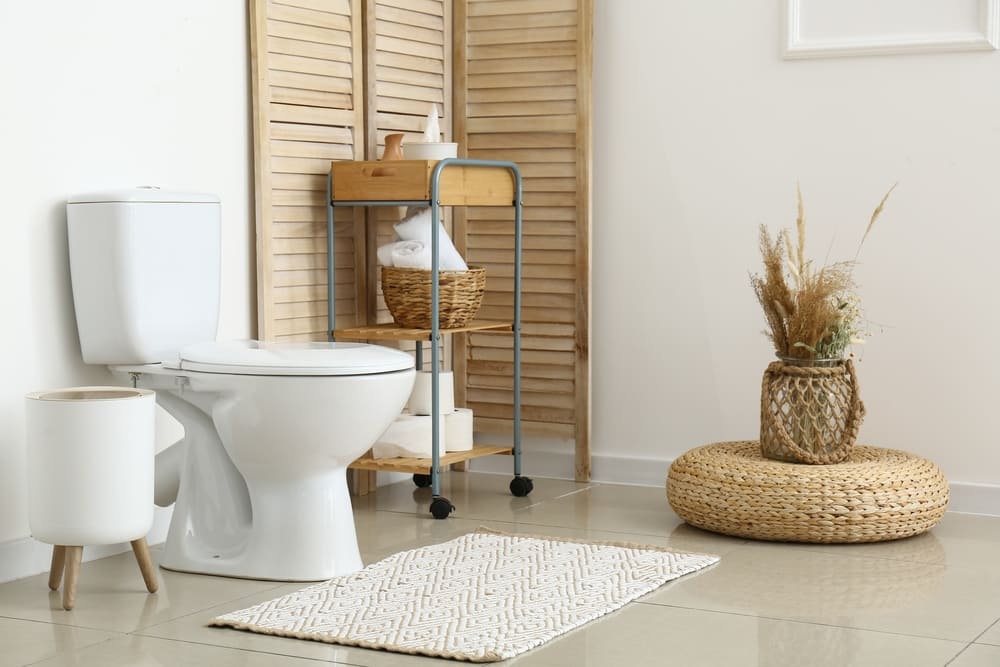
Of all of the places in your home, the bathroom is where most water is used. Think about it: every activity in the bathroom will utilize a lot of water. For instance, the toilet can use up to 27% of household water. Here’s how it breaks down:

  • Older toilets use between 3.5 and 7 gallons of water per flush. However, WaterSense labeled toilets require 75 to 80 percent less water.
  • A leaky toilet can waste about 200 gallons of water every day.
  • A bathroom faucet generally runs at 2 gallons of water per minute. By turning off the tap while brushing your teeth or shaving, a person can save more than 200 gallons of water per month.

(WaterSense – An EPA Partnership Program)

At Bill Fenwick Plumbing, we provide a myriad of plumbing updates and repair services to reduce your water waste. If you’re concerned about the amount of money your family is spending on water bills, then it’s time to contact our plumbing experts for an on-site water audit. We’ll analyze the usage in your home, discuss your daily lifestyle requirements and habits with you then customize an efficient and simple plan to help you reduce the amount of water you use in your home.

The Facts about Bottled Water

We don’t really think about it. We purchase a bottled water from the convenience store in the morning, then another one at lunch, and just one more on the way home from the gym. That’s three bottles of water a day at least. Bottled water is marketed as a “healthy, safe alternative” from the dirt and grime from your tap water. They are wrapped in pictures of pristine pools, sparkling lakes, and deer drinking from sunlight drenched, crystal clear water. But there’s more to the water business than you realize.

Estimates place worldwide bottle sales anywhere between $50 and $100 billion a year with the market expanding at the annual rate of 7%.  It seems like big business right? Wrong. Bottled water is costly, wasteful, and distracts the public from the construction and maintenance of safe municipal water systems.

Want some more reasons to ditch the plastic for other means of clean, safe water? Here’s just a few:

Bottled water is a poor value.
Purchasing a bottled water from a vending machine at $1? Do you this at least three to four times a week? Add that up. It’s roughly $5 a week or $20 a month or $144 a year. Instead, purchase a water filter and fill up a jug of water before you leave for the day. A filter costs $20 and lasts about 3-4 months.

It’s not healthier than tap water.
Here’s a legal loophole that you may not be aware of: bottled water in the United States falls under the regulatory authority of the Food and Drug Administration. In practice, about 70 percent of bottled water never crosses state lines for sale, making it exempt from FDA oversight. Don’t believe the hype and panic that we “need” bottled water.

Bottled water = waste.
Bottled water produces more than 1.5 million tons of plastic waste a year. According to Food and Water Watch, that plastic requires up to 47 million gallons of oil per year to produce. As Americans, we have to do our part to reduce waste and it’s easier than you think.


To save money, help the environment, and reduce your carbon footprint, contact Bill Fenwick Plumbing today. We’ll provide an on-site evaluation of your water consumption needs and recommend the right steps to help you save the money in your wallet and give Mother Nature a hand.


How to Choose the Right Faucet

One of the most important features of your bathroom or kitchen renovation is the faucet. Simple enough, right? Not anymore. The latest styles and innovations added to the creation of faucets makes it more difficult to find the right one to match the look, style, and functionality you need. Here are a few steps to help you in the process of choosing the right faucet for your bathroom or kitchen.

Height matters. The height of the faucet you choose is important. If you cater to large parties when cooking then you may be more prone to choose larger serving dishes and cutting boards to help you get the job done. As a result, you want your faucet height to be a bit longer to accommodate for the size of dishes and cookware.

Faucet features. You options these days when it comes to faucet. This one is all about personal choice, spray or pullout nozzle? The nozzle is an intricate tool in the cleaning process so go with whichever you’re more comfortable with and more likely to use.

It’s probably been some time since you last purchased a faucet. As a result, it’s important to consult with a professional plumber in regards to size, features, upkeep, and installation. Contact the friendly team at Fenwick Plumbing today. We’ll be happy to provide an on-site consultation, review some of your best options with you, and even install the new faucet when you’ve made a choice. Good luck and happy faucet hunting!


Clogged Drains – How They Happen and What You Can Do

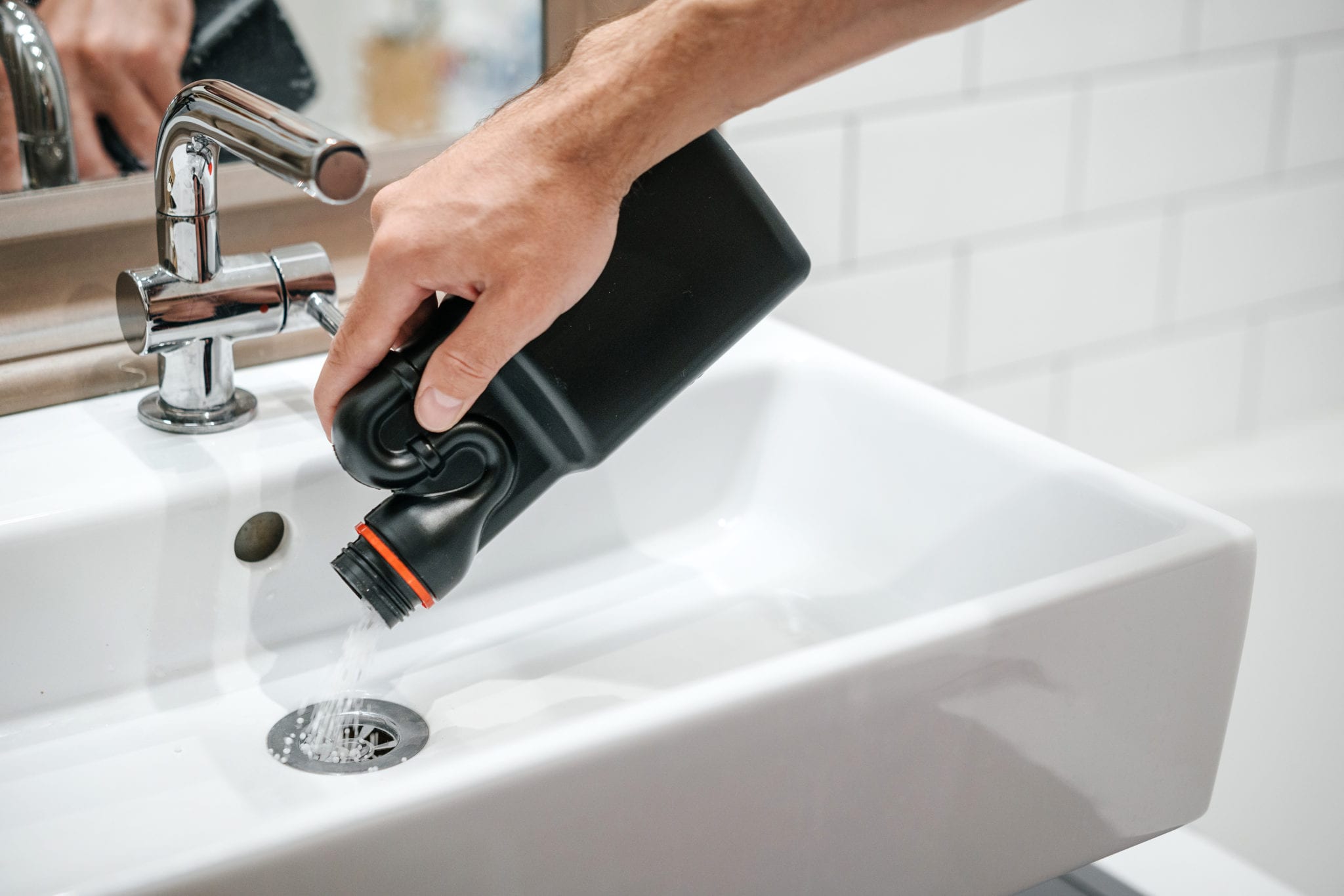
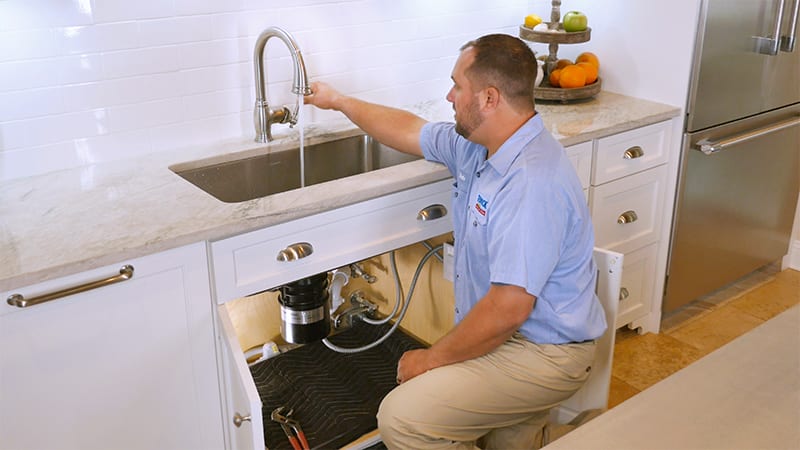
With the exception of sticking your hand in your garbage disposal and feeling around, it may be difficult to really know if your garbage disposal is clogged and the severity of the clog. So what can you do when you suspect that you have a clogged drain in your Jacksonville, Florida, home? Here are a few tips from our expert plumbers that may help.

• Does your garbage disposal no longer drain?

• Does water with floating food go into your drain before backing up into your sink?

• Does your kitchen sink have a foul odor?

• Do food particles rise to the top despite that disposal being on?

• Does the drain make gurgling sounds?

If you answered yes to any of these questions above, then your garbage disposal may be clogged.

What Causes a Clogged Garbage Disposal?

Garbage disposal are often clogged when there is little to no water flushing the food waste down the drain properly while it’s being ground and sent into the waste line. As a result, the disposal gets clogged with buildup into the drain lines.

Certain foods can lead to a clogged garbage disposal even faster, including potato peels, banana peels, egg shells, coffee grounds, and bones. Also, if you try to dispose large amounts of food at once, this will make some pieces stuck in the pipe, thus, causing a clog.

How to Prevent Clogged Disposals

When operating your garbage disposal, be sure to run plenty of water during and after waste food grinding. Also, minimize the amount of food you send to your garbage disposal at a time.

If you find that your garbage disposal is still clogged, then contact the professionals at Bill Fenwick plumbing today. We’ll resolve the issue and get your garbage disposal operating to its optimal level.

Does your dishwasher have a funny odor?

It’s never pleasant when you open the door to your dishwasher to be hit in the face with an unpleasant odor. It can knock you to your feet and make you wonder what you’ve been washing your dishes in. How do you avoid that disagreeable smell and the effects it can leave on your dishes? Follow these steps to remove and reduce odor in your dishwashing system.

  1. Empty all the dishes out of your dishwasher then remove the bottom rack and clean out any food or gunk that may be stuck.
  2. Stir ¼ cup liquid dish soap and ¼ cup bleach into a quart of water. Use the solution and a small brush to scrub between the grooves of the rubber seal and other crevices.
  3. Swing open the door of your dishwasher to reach the bottom of the door, on the inside. Brush away any gunk that may have accumulated there, particularly around the hinges.
  4. Use a sponge and the soap solution to wash the interior of the dishwasher and focus on the gasket.
  5. To get rid of the odor, focus on your sink rather than the dishwasher. The odor may be coming from the plumbing pipes. Pour a half cup of baking soda down the sink. After, pour cups of vinegar down each drain until all the baking soda is washed away. After 5 minutes, run boiling water down the drain.
  6. To naturally clean out your garbage disposal, slice a lemon and put the slices down your disposal drain. Run your disposal with the cold water. If you don’t have a whole lemon, you can use the lemon or an orange rind.
  7. Pour two cups of vinegar into the dishwasher and let it sit for an hour and then let the dishwasher run through a cycle with the hottest water possible. Repeat the process if that does not help. You can use baking soda instead of vinegar – just sprinkle it in the bottom of the dishwasher.
  8. Between washes, pour ¼ cup lemon juice into the dishwasher cup, and run a short but complete wash cycle. This will not only deodorize the dishwasher, but will also help get rid of metal build-up.

If your dishwasher still has a nasty odor, contact the professionals at Bill Fenwick Plumbing for assistance. We’ll be happy to provide you with a complete, on-site consultation to assess the condition of your plumbing needs.

Leaky Situation

A leaky toilet is not something that anyone looks forward to but when or if it does happen, you need to know what to do. A good way to determine where the leak is coming from is to put food coloring in the toilet bowl let it sit and then flush. If you see the food coloring running on the ground you know that the leak is at the base of the toilet.

Unfortunately if you do have a leak then the toilet will have to be removed and a new wax ring will have to be installed. This is where an experienced plumber is needed to appropriately apply a new wax ring. Do not risk doing this job yourself!

If the leak is not coming from the base of the toilet, then you might want to check the tank of the toilet. Put food coloring in the bowl of the toilet, let it sit and then flush. If there is still colored water in the bowl of the toilet after you flush then you know that the tank is leaking. Again, once you find out what the problem is you should call an experienced plumber and let them handle the situation from this point on. If you try and replace these parts yourself and not do it properly, you may end up costing yourself more money in the long run.


Diagnose Odor Problems in Kitchen and Bathroom Sinks

Bathroom Sink, Fenwick PlumbingEver wonder what that smell from the drain is coming from? You run hot water down the sink, pour chemicals into your drain, and even try the garbage disposal for prolonged periods of time. No matter what you do, that smell will not go away.

You shouldn’t let a bad odor deteriorate the quality of your home. To find a solution to that home odor problem; try one of these effective remedies:

Read more »

Eight Ways to Green Your Kitchen and Bathroom

Bathroom, Green EnergyPracticing green alternatives is an excellent way to reduce your carbon footprint, lower your energy bills, and make a difference in the environment. With a few small adjustments to your home, you can live green with ease.

Install a Low-Flow Showerhead

Your shower uses around 22% of the total water you use in your home. A good portion of that water takes a bypass through your water heater raising your energy bill. For instance, with an old shower head, a 5-minute shower would use about 30 gallons of water. If you’re like the average American, you’re probably doing the water math now trying to figure out how much money you wasted on a low-flow shower head. The result? You can cut your shower water use by two thirds.

Install a Low-Flow Faucet Aerator

15% of an average household’s daily water consumption is through faucet use. Let’s put it another way: in a family of four, if each household member used the sink for 6 minutes a day, they would reduce the daily household water consumption by 48 gallons per day with an aerator. One of the least expensive ways to increase the efficiency f your home is to install low-flow aerators on your faucets. These devices save water and lower utility bills because less hot water is being used. As a result, faucet aerators will generally pay for themselves in only a few months. A standard aerator will allow flow rates of 2.5 to 5 gallons of water per minute.

Install a Dual-Flush Toilet

The dual flush toilet is one of the latest advances in green home technology. It’s scary to think that in 2013, an estimated 36 states will experience water shortages according to the Environmental Protection Agency. For this reason, it’s time to start thinking about new ways to conserve water and energy. Start in the bathroom when you install a new, dual flush toilet. Dual flush toilets handle solid and liquid waste differently by giving the user a choice of a half or full flush. As a result, you do not have to use a full tank of water every time you flush your toilet thus saving you money and conserving water.

Fix Leaky Faucets

The small drip can take a big nip from your energy budget. A single drip every few second may not seem like a big deal. However, ¬if you let your faucet drip every day, twenty four hours a day, it will add up. Although it is impossible to tell for certain just how much water is being wasted, the US Geological Survey estimates that roughly 15,140 drips from a faucet equals one gallon of water. Contact your local Jacksonville, Florida, plumber to ensure all of your leaky faucets are fixed. Unclog DrainsHair, grease, fats, soap scum, and other debris are big culprits for drain clogs. The accumulation of dirt and grime gets lodged into the drain causing you to use more water and more energy to get water down the drain. A slow draining sink, toilet, shower, and tub are not only a nuisance, but a money waster. Contact your local Jacksonville, Florida, plumber today to learn easy-to-follow tips to ensure your drains stay clog free.

Look for Energy-Star Lighting and Appliances

Installing ENERGY-STAR appliances throughout your home, including your kitchen and bathroom, will help ease the strain on your energy bills. From appliances and lighting to ceiling fans, ENERGY-STAR offers a myriad of green energy appliances that will make a difference in your home value, your energy bills, and your quality of life. Contact Bill Fenwick Plumbing, Inc. to learn more about the benefits of green appliances and the easy, affordable installation process.

Replace Plumbing Fixtures That Were Installed before 1992

Plumbing fixtures have an expiration date too. Before 1992, plumbing fixtures consumed at least three times the amount consumed by current fixtures. After the passing of the U.S. Energy Policy Act of 1992, strict requirements for water fixture performance were put into place. Since then, even more strides in technology has allowed for greener products and fixtures. By upgrading your fixtures and appliances, you will see a significant difference in your energy bill.

Install a Recycling Bin or Kitchen Composter

Any homeowner knows that the kitchen generates a lot of waste. By investing in a composter, you will contribute towards a cleaner environment. It’s an essential appliance to ensure you reduce the amount of garbage that naturally collects in your home, and especially in your kitchen. Reduce your carbon footprint by decreasing the amount of trash you produce that inevitably is sent to landfills and trash cans.

Whether you live in a tiny condo or an expansive acreage, you can leave a greener footprint no matter when you hang your hat. Contact Bill Fenwick Plumbing, Inc. today to get started on your green home renovations and updates.

Welcome to our Plumbing Blog

Welcome to the new Bill Fenwick Plumbing Blog. Here we will post all the latest News, Tips and Information about Plumbing. As a family owned and operated business, located in Jacksonville FL, Bill Fenwick Plumbing Company, Inc. has become an icon in the plumbing industry and has been offering professional plumbing service to its customers for 40 years. Check back often to see more about our company, as well as tips, tricks, news and information about the plumbing industry. If you have any questions we welcome you to post them to our comment section or click Contact Us to send us a personal message.